
Winter vs All-Season Tires for Moose Jaw Driving

Choosing the right tires for Saskatchewan is about more than checking the weather forecast. A clear morning can turn into a snowy commute, and temperatures can drop well below freezing long before the roads look particularly difficult. That is why understanding the difference between winter and all-season tires can make a real difference when preparing your vehicle for the colder months.
The right choice depends on where you drive, how much snow and ice you encounter, and how much time your vehicle spends on the road during the winter. For some drivers, a dedicated set of winter tires makes the most sense. For others, an all-season setup may be suitable for warmer seasons. Here is what Moose Jaw drivers should know before making the switch.
It Starts With the Temperature
One of the biggest differences between winter and all-season tires is how their rubber compounds respond to cold weather. All-season tires are designed primarily for dry and wet conditions during spring, summer and fall. Their harder rubber compound can provide a longer tread life in warmer conditions, but it becomes less flexible as temperatures fall below 7°C.
That matters because tire flexibility plays an important role in maintaining grip. Even when the pavement is dry, colder temperatures can change how a tire responds when you accelerate, steer or brake.
Winter tires use a softer rubber compound specifically designed to remain flexible in cold temperatures. This helps them maintain better contact with the road when the mercury drops, including during the deep cold that Saskatchewan drivers can experience.
For anyone comparing winter vs all season tires, the 7°C threshold is an important starting point. Winter tires are not simply for days when snow is already covering the roads. Their cold-weather compound is intended to work when temperatures regularly fall below that point.
When Snow Changes the Equation
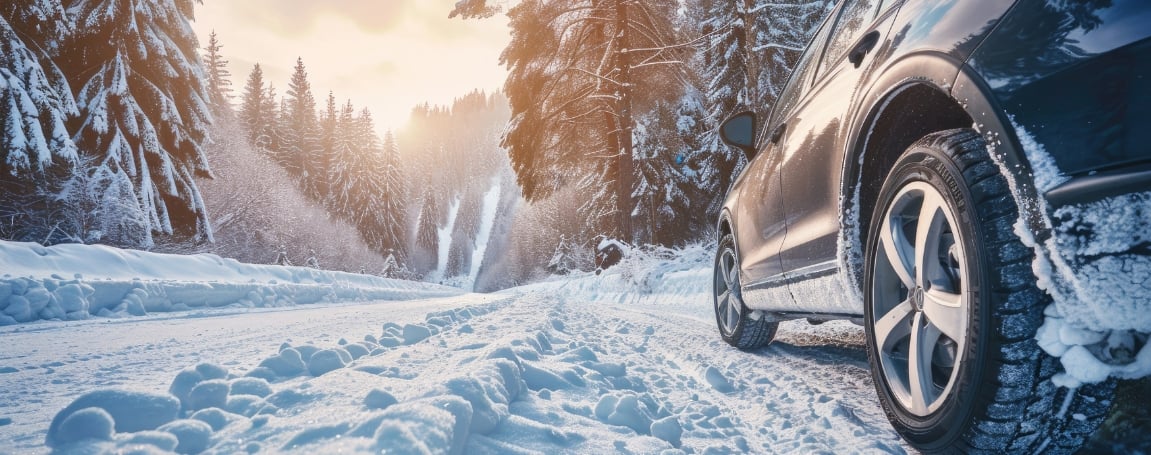
Cold pavement is only part of the challenge. Once snow, slush or packed ice enters the picture, tread design becomes just as important. All-season tires generally feature smaller tread blocks designed to provide a comfortable, relatively quiet ride while helping reduce rolling resistance. They can perform well in dry and wet conditions, but they are not designed specifically for serious winter driving.
Winter tires take a different approach. Their tread features deeper, chunkier blocks and additional sipes that help create traction on snow. These features are designed to help the tire grip snowy surfaces while maintaining useful traction for acceleration, cornering and braking.
This becomes particularly important on roads where snow has been packed down by repeated traffic. When conditions become consistently snowy or icy, dedicated winter tires provide a tire design specifically developed around those challenges.
Braking Matters as Much as Getting Moving
It is easy to focus on whether your vehicle can get moving in the snow, but stopping is just as important. A tire's ability to maintain contact with the road affects how confidently you can brake and steer when conditions change.
Winter tires are designed to maintain their flexibility in cold weather and provide enhanced traction on snow and ice. That combination can be especially valuable when approaching an intersection, navigating a turn or responding to another vehicle on a slippery road.
For drivers looking at the best tires for Moose Jaw winters, this is one of the most important considerations. You are not choosing tires simply for the deepest snowfall of the year. You are choosing how your vehicle will behave across months of cold pavement, snow, slush and potentially icy roads.
Where All-Season Tires Still Make Sense
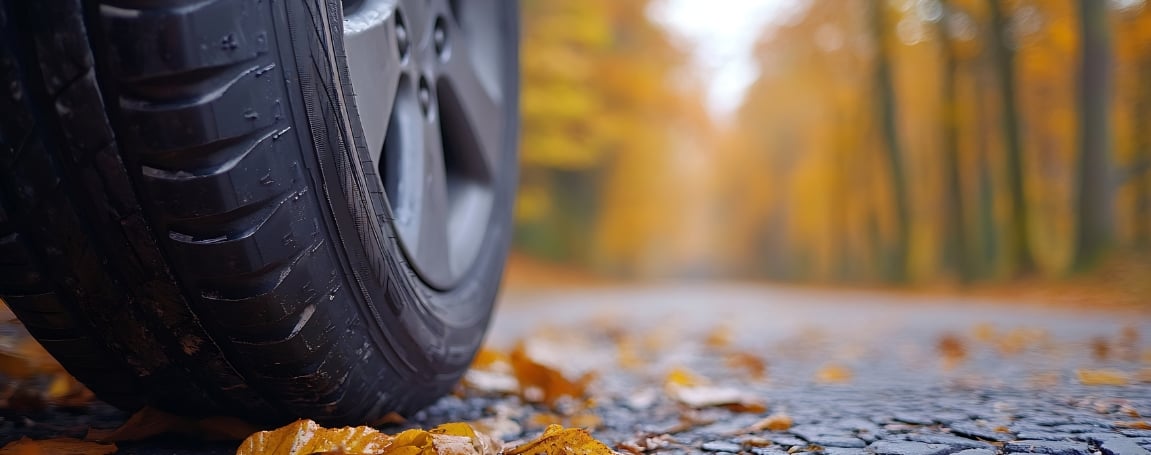
All-season tires have an important place in a vehicle's overall tire setup. Their harder rubber and tread design make them well suited to dry and wet driving during warmer parts of the year, with a focus on comfort, tread life and everyday road manners.
That makes them a practical choice for spring, summer and fall driving. If your vehicle is equipped with all-season tires, they can provide the performance you need through the warmer months before being replaced by a dedicated winter set.
The important point is not to think of all-season tires as a one-tire solution for every Canadian season. Their design prioritizes versatility across warmer conditions rather than the specialized cold-weather performance of a winter tire.
What About All-Weather Tires?
There is another option worth knowing about. All-weather tires are designed to bridge the gap between all-season and winter applications.
Their rubber compounds are designed to remain flexible above and below 7°C, while their tread patterns use thicker blocks and additional sipes to provide traction in snow and slush. They can be a useful year-round option for drivers who encounter moderate winter conditions but do not want to change between two sets of tires. However, drivers regularly dealing with heavy snow, hard-packed snow, ice, extreme cold or long Saskatchewan winters may prefer the specialized characteristics of dedicated winter tires.
When Should Moose Jaw Drivers Switch?
There is no single calendar date that works for every driver. Instead, pay attention to temperatures and the conditions you typically encounter.
When temperatures begin consistently dropping below 7°C, it is a good time to start thinking about your winter setup. Making the switch before the first major snowfall means you are already prepared when winter weather arrives rather than waiting for the first storm.
For drivers who regularly travel outside the city, commute on highways or encounter rural and less-cleared roads, getting winter tires installed early can be particularly useful. Drivers travelling through areas such as Caronport or Belle Plaine may also want to consider their entire route rather than focusing only on conditions where they start their morning.
Which Tire Type Fits Your Driving?
If most of your driving happens during spring, summer and fall, all-season tires can be a practical choice for those conditions. They are designed for everyday dry and wet roads and can provide a comfortable, long-lasting setup during warmer weather.
If your vehicle remains on the road throughout the Saskatchewan winter, dedicated winter tires are worth serious consideration. They are designed specifically for cold temperatures, snow and ice, making them a strong choice for drivers who regularly face challenging winter conditions.
Drivers who want a single set for year-round use and typically encounter lighter snow and slush may also consider all-weather tires. The best option ultimately comes down to your route, driving habits and the conditions you expect to encounter.
Get Ready Before Winter Arrives

The best time to think about winter tires is before winter driving becomes difficult. Whether you need a tire change in Belle Plaine, winter tire service in Caronport or regular Ford tire service in Moose Jaw, preparing early gives you more time to choose the setup that fits your vehicle and driving routine.
For drivers throughout the region, the key takeaway is simple: all-season tires are designed with warmer conditions in mind, while winter tires are engineered around cold-weather traction, snow and ice. If your vehicle will be facing Saskatchewan's winter roads regularly, choosing the right tires is an important part of preparing for the season. Visit Moose Jaw Ford in Moose Jaw, SK, to get your vehicle ready for the months ahead and make sure your tires are prepared for whatever Saskatchewan winter brings.